
Vienna First-Time Budget Itinerary (2026): Museums, Transit, and Smart Daily Spend

Amelia DuboisFEB 23, 2026 | 12 min read
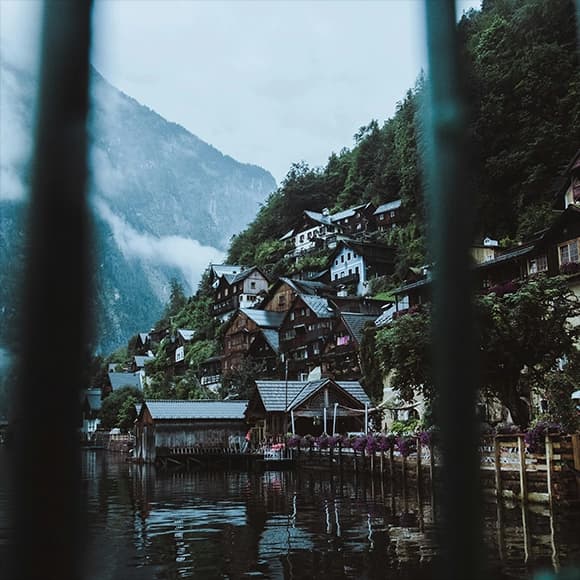
A first-time Vienna budget itinerary with source-backed transport facts and practical neighborhood sequencing.
Categories
TL;DR: Key Takeaways
- Typical daily budget: Culture-first city break.
- Best travel window: EUR 60-120 per day.
- This guide is built for travelers who want a clear, low-stress Vienna plan with realistic spending logic. Instead of listing random attractions, it focuses on decision quality: where to sleep, how to move, what to book early, and where to keep flexible time.
Quick Facts
- Trip styleCulture-first city break
- Daily budget targetEUR 60-120 per day
- Transit anchorWiener Linien pass break-even
- Best booking window2-6 weeks for key attractions
Daily Budget Breakdown
| Category | Estimated Cost |
|---|---|
| Accommodation | EUR 40-85/night |
| Food | EUR 20-45/day |
| Transport | EUR 5-14/day |
| Attractions | EUR 10-40/day |
Disclosure: this guide may include affiliate links. If you book through these links, we may earn a commission at no extra cost to you.
Find Budget Stays in Vienna First-Time Budget Itinerary (2026)
Compare hostels and budget hotels with flexible cancellation and neighborhood filters.
Compare staysVienna first-time budget itinerary guide: why this page exists
This guide is built for travelers who want a clear, low-stress Vienna plan with realistic spending logic. Instead of listing random attractions, it focuses on decision quality: where to sleep, how to move, what to book early, and where to keep flexible time.
Open the Vienna city hub while you read, then compare the companion cluster pages to choose your final route.
Quick answer first
If you only keep one planning rule for Vienna, keep this one: sequence your days by neighborhood clusters, not by famous names. Most overspending comes from fragmented routing, late booking, and poor transfer timing, not from one expensive ticket.
Source-backed 2026 planning anchors
Use these reference anchors before buying anything:
- Wiener Linien lists 2026 fare updates, including digital 24-hour Vienna ticket options.
- Wien.info transport pages help map district movement around museums and old-center zones.
- OeBB planning is useful when Vienna is one stop in a multi-city rail sequence.
These anchors should be treated as pre-book checks. If one number or policy changes, adjust your whole day plan before payment.
Planning framework (high-value + low-friction)
Use a three-block day model:
- Morning: capacity-limited attraction or transport-sensitive movement
- Midday: walkable food and local district section
- Evening: lower-cost culture, viewpoint, waterfront, or neighborhood loop
This model protects both budget and energy. It also improves content usability because readers can copy one system across multiple days.
Accommodation strategy
Choose lodging by transit usefulness and evening walkability, not by headline nightly price alone. A room that looks cheaper can become more expensive after repeated transfers, late-night rides, and time loss.
For short city breaks, one stable base with reliable public transport is usually stronger than changing hotels to chase micro-savings.
Food strategy
For efficient budget control:
- Keep one intentional paid meal per day
- Pair paid meals with already-planned neighborhoods
- Keep breakfast and one snack from grocery or market options
This avoids the classic "transit detour for food" problem that compounds costs in dense cities.
Transport decision matrix
Pick transport by context:
- Use walking for dense old-center segments
- Use public transport for long connectors or weather windows
- Use taxi/ride-hail only when time window or luggage load justifies it
If your first 24 hours include multiple rides, compare single tickets with day or multi-ride products before arrival.
Mistakes that break budget quality
- Booking attractions before defining district sequence
- Ignoring first/last-mile walking effort with luggage
- Treating every day like a max-density checklist
- Paying premium convenience options by default under fatigue
A stronger method is to predefine one main option and one fallback for each day.
GEO and editorial quality notes
For SEO and GEO reliability, this guide uses entity-precise geographic scope (Vienna, Austria, Europe), direct-answer opening logic, and source-backed factual anchors. Keep this structure when refreshing content: update facts first, then revise route recommendations, then verify internal links still point to live cluster pages.
Monthly refresh protocol
At least once per month:
- Recheck official fare and schedule pages
- Update changed numbers with exact units
- Keep the timestamp accurate
- Validate 3-6 internal links
- Verify each source URL still resolves
This process keeps content trustworthy for both search engines and AI answer systems.
Suggested 3-day structure for first-time Vienna
Day 1: Innere Stadt and museum-adjacent pacing
Start with one high-demand anchor in the center, then keep the rest of the day walk-focused. Use transit only for major connectors, not short gaps. This keeps both cost and fatigue low on arrival day.
Day 2: Culture-heavy day with transport optimization
Place museum or palace windows in the morning when capacity and queue conditions are usually more stable. Keep midday food close to your anchor zone so you do not spend budget on unnecessary movement.
Day 3: Flexible district exploration and contingency
Reserve one flexible day block for weather, timing changes, or unplanned priorities. This is where high-quality itineraries outperform rigid checklists.
Vienna daily spend framework
Use a practical daily envelope:
- Transport and connectors: 10 to 22 EUR
- Food and drinks: 18 to 35 EUR
- Paid attractions and reserve buffer: 18 to 45 EUR
Pre-allocating a buffer prevents stress spending and keeps your final trip total predictable.
Transit-first accommodation logic
Vienna rewards locations with strong transit access more than low nightly price alone. A cheaper room that adds repeated connectors can reduce both value and time quality. Choose one stable base that keeps evening return simple and safe.
Common first-time mistakes in Vienna
- Overloading day one with too many paid anchors
- Underestimating transfer time between non-adjacent districts
- Treating meal decisions as spontaneous in peak hours
- Ignoring closure/slot windows for major attractions
Prevent these with one primary and one fallback activity per block.
GEO-ready content strategy for Vienna cluster
This itinerary should be consumed with the transport companion guide and regional hub pages. Clustered city intent improves user outcomes and strengthens retrieval quality for AI systems answering city-specific travel questions.
Dashboard update routine
When editors update this page:
- Re-validate transport facts and links
- Refresh numbers and dates in place
- Keep intent-specific internal links active
- Preserve direct-answer opening paragraph
- Keep a clear timestamp for freshness signals
Mistakes to Avoid
Skipping advance reservations for top sights.
Not checking local transport passes before arrival.
Travel Essentials for Budget Trips
Use our curated checklist for packs, adapters, and trip essentials that fit carry-on travel.
Open checklistFAQ
How much should first-time travelers budget per day in Vienna?
A practical planning range is roughly EUR 60 to EUR 120 per day, depending on hotel level and paid museum choices.
Should I buy single tickets or a pass in Vienna?
If your daily plan includes multiple transit legs, compare pass cost against your expected rides before arriving.
What is the easiest way to avoid overspending in Vienna?
Sequence activities by neighboring districts, keep one paid anchor per half-day, and predefine a food budget ceiling.
Sources
- Wiener Linien 24-hour ticket (Wiener Linien | accessed 2026-03-10)
- Vienna public transport overview (Vienna Tourist Board | accessed 2026-03-10)
- OeBB rail information (OeBB | accessed 2026-03-10)