
Barcelona Airport to City Center: Best Transfer Options (2026)

Amelia DuboisFEB 19, 2026 | 12 min read
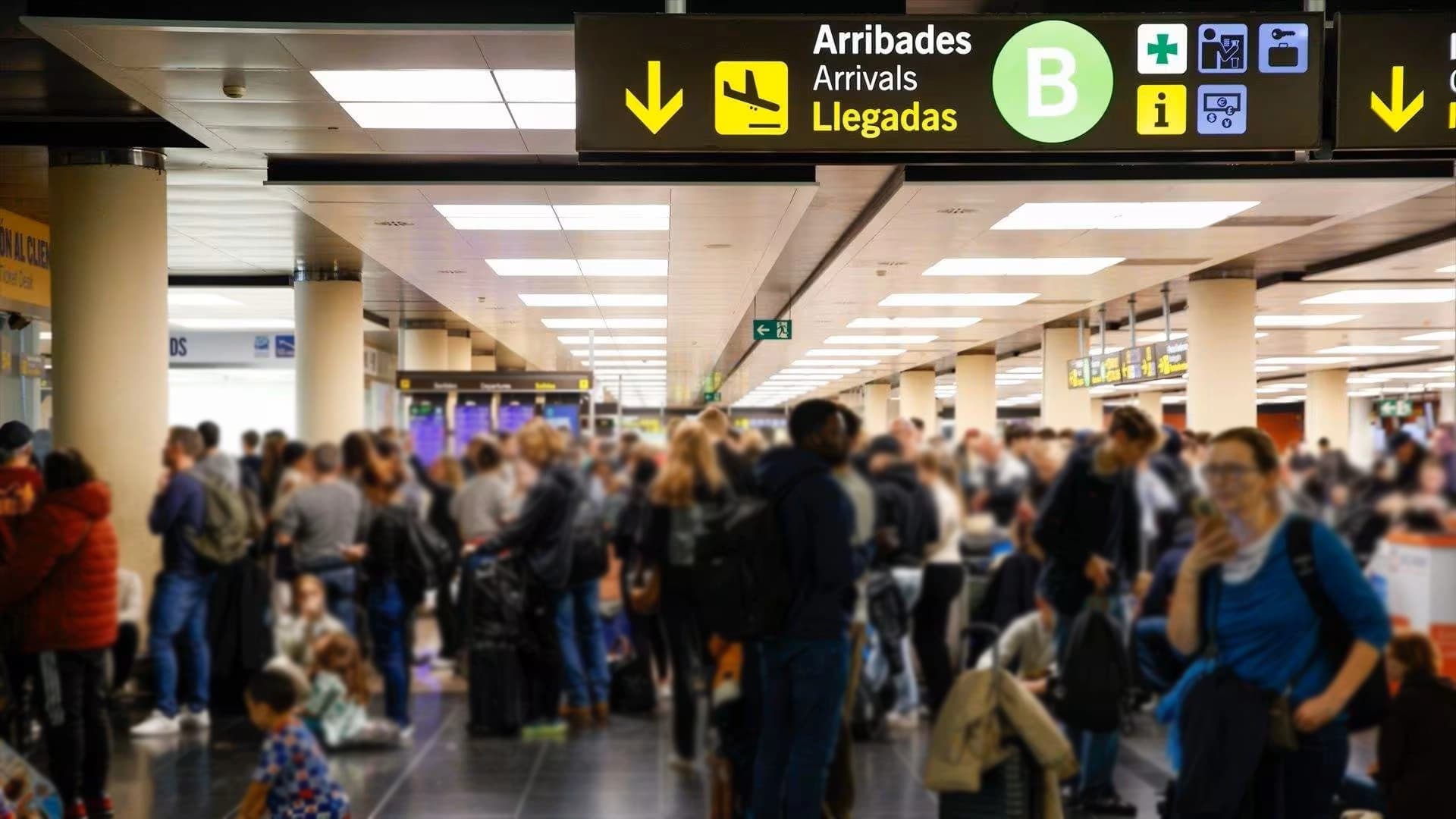
Compare Barcelona airport to city transfer options by price, travel time, and neighborhood fit. Includes Aerobus, train, metro, bus 46, night bus, and taxi guidance for 2026.
Categories
TL;DR: Key Takeaways
- For most first-time visitors, Aerobus is the simplest transfer from Barcelona airport to city center.
- For budget-first routing, Bus 46 and the Rodalies train are usually the lowest-cost public options.
- If you land at T1 and want rail, include the free T1-T2 shuttle in your total journey time.
- Taxi can be value-competitive when split between 3-4 travelers with luggage.
- Always choose by district fit (Placa Catalunya, Sants, Eixample) rather than ticket price alone.


Quick Facts
- Trip typeAirport arrival logistics
- Airport codeBCN
- Distance BCN to centerabout 13-15 km
- TerminalsT1 and T2
- Cheapest typical optionBus 46 (~EUR 2.65)
- Taxi to centerUsually EUR 30-40
- Last updatedMarch 2026
Daily Budget Breakdown
| Category | Estimated Cost |
|---|---|
| Airport transfer | EUR 2.65-40.00 |
| Local transport (day 1) | EUR 8-15 |
| Food | EUR 20-35 |
| Arrival-day buffer | EUR 10 |
Disclosure: this guide may include affiliate links. If you book through these links, we may earn a commission at no extra cost to you.
Find Budget Stays in Barcelona Airport to City Center
Compare hostels and budget hotels with flexible cancellation and neighborhood filters.
Compare staysHow to get from Barcelona Airport to City center
Josep Tarradellas Barcelona-El Prat Airport (BCN) has two terminals, T1 and T2, connected by a free green shuttle bus. The best transfer depends on your arrival time, luggage, and where you stay in Barcelona.
If you stay near Placa Catalunya, Aerobus is often the easiest. If you stay near Sants or Passeig de Gracia, the train can be excellent value. For late arrivals, NitBus or taxi can be safer and simpler.
Barcelona Airport to City quick comparison table

| Option | Typical Price | Typical Time | Direct to central Barcelona? | Best for |
|---|---|---|---|---|
| Aerobus | EUR 7.25-7.95 | 30-35 min | Yes (Placa Catalunya corridor) | First-time visitors, luggage |
| Rodalies train (R2 Nord) | around EUR 5.00 | 25-30 min | Yes to Sants / Passeig de Gracia / El Clot | Budget travelers near train stops |
| Metro L9 Sud | around EUR 5.50-6.00 airport fare | 35-45 min with transfer | No (usually 1 interchange) | Metro-network flexibility |
| Bus 46 | around EUR 2.65 | 35-45 min | To Placa Espanya area | Cheapest public option |
| NitBus (N16/N17/N18) | around EUR 2.65 | 40-55 min | Partial | Late-night budget arrivals |
| Taxi | usually EUR 30-40 | 20-35 min | Yes | Groups, heavy luggage, late arrivals |
Price ranges are based on official operator pages checked in March 2026. Final fares can change with annual revisions, surcharges, or service updates.
Option 1: Aerobus (most straightforward for many travelers)

- A1 serves Terminal 1 and A2 serves Terminal 2.
- Main city stops include Placa Espanya, Urgell, Universitat, and Placa Catalunya.
- Typical frequency is high during the day, with reduced overnight frequency.
- Good luggage handling and easy boarding for first-time visitors.
Choose Aerobus if you want the least decision friction after landing and your accommodation is near the central drop-off corridor.
Option 2: BCN Airport train (R2 Nord)

The train departs from Terminal 2. If you land at Terminal 1, add 10-15 minutes for the free T1-T2 shuttle before boarding.
- Typical central stops: Barcelona Sants, Passeig de Gracia, and El Clot.
- Usually one of the best budget options for central rail corridors.
- Frequency can be lower than Aerobus at some times of day.
If your hotel is close to Sants or Passeig de Gracia, this is often the best-value answer to how to get from Barcelona airport to city center.
Option 3: Metro L9 Sud

- Serves both T1 and T2 directly.
- Usually requires one interchange to reach classic central zones.
- Reliable in traffic but less direct than Aerobus for many visitors.
Metro makes sense when you already plan heavy metro usage and your final district is better aligned with interchanges than with bus or train stops.
Option 4: Bus 46 and night buses

Bus 46 is often the cheapest daytime transfer from Barcelona airport to city (typically around EUR 2.65), running toward Placa Espanya.
For late-night arrivals, NitBus routes N16, N17, and N18 are the core low-cost fallback when train and some metro options are reduced.
Option 5: Taxi or private transfer

- Typical city-center range is EUR 30-40, depending on terminal, time, and traffic.
- Usually fastest door-to-door option when roads are clear.
- Often cost-competitive per person when split by 3-4 travelers.
Taxi is usually the most practical option for late arrivals with large luggage or families needing direct drop-off.
Best option by neighborhood
| Staying near | Usually best first option | Backup option |
|---|---|---|
| Placa Catalunya / Universitat | Aerobus | Taxi |
| Sants / Passeig de Gracia | Train (R2 Nord) | Metro + interchange |
| Placa Espanya corridor | Bus 46 or Aerobus | Metro L9 Sud |
| Gothic Quarter / Born (late arrival) | Taxi | NitBus + short walk/taxi |
How to choose in 4 steps

- Identify your exact district, not just Barcelona city center. 2. Check terminal (T1 or T2) and operating window for your landing time.
- Compare total journey friction: interchanges, walking load, luggage handling.
- Save one primary route and one backup route offline before departure.
Practical arrival scenarios (choose in 30 seconds)
If you are tired after landing, skip theory and map your situation to one of these short scenarios. This is the fastest way to decide your Barcelona airport transfer without overthinking every route detail.
- Solo traveler, carry-on only, staying near Placa Catalunya: take Aerobus unless there is a major delay.
- Couple with two suitcases, hotel near Sants: train from T2 is often best value; from T1 add the free shuttle first.
- Family with stroller arriving late night: taxi is usually the least stressful door-to-door option.
- Ultra-budget traveler with flexible time: Bus 46 by day, NitBus at night, then short local connection if needed.
Terminal and timing checklist before you exit arrivals
- Confirm terminal: T1 or T2. This changes train access immediately.
- Check current local time against your transfer operating window.
- Estimate baggage friction: one backpack is different from four checked bags.
- Open offline maps and save your accommodation pin before boarding transport.
- Keep one backup mode in case of queue spikes or service interruptions.
Many travelers ask how to go from Barcelona airport to city center with the fewest mistakes. The answer is usually to pick by district and luggage first, then price second. A route that is one euro cheaper can still cost more if it adds two interchanges and a long walk.
Cost vs convenience: quick decision matrix

| Priority | Best first pick | Why it works | Main trade-off |
|---|---|---|---|
| Lowest cost | Bus 46 / Train | Lowest typical ticket cost | More route friction depending on district |
| Lowest stress | Aerobus | Clear stops and simple city arrival flow | More expensive than local bus options |
| Fastest door-to-door | Taxi | Direct drop-off with luggage | Highest total fare for solo travelers |
| Network flexibility | Metro L9 Sud | Strong integration with metro lines | Usually needs one interchange for central areas |
If your question is how to get from Barcelona airport to city centre after midnight, prioritize safety and transfer simplicity. NitBus plus a short final taxi can be a smart compromise when you want lower cost than a full taxi but better comfort than long night walks with luggage.
Common first-day mistakes that increase cost

- Choosing transport before checking your exact hotel neighborhood.
- Ignoring the T1 to T2 transfer when planning the BCN airport train route.
- Paying for a premium option during rush periods without checking alternatives.
- Not saving a backup route when line queues are unusually long.
Fix these four points and most arrival stress disappears. For repeat visitors, this is usually the real difference between a smooth first afternoon and losing two expensive hours after landing.
Internal route shortcuts
Pricing validation and trust note
All fare ranges in this guide are anchored to official operator
pages and checked in March 2026. Transport pricing can change;
re-check before travel if your trip is more than 30 days away.
Last updated: 2026-03-03
Mistakes to Avoid

hoosing transport before checking your terminal (T1 vs T2)
The BCN airport train (R2 Nord) departs from T2 only. If you land at T1, factor in the free shuttle first.
Assuming all “airport train” advice is always live and uninterrupted
Rail access can be impacted by works. Always check same-day service status before deciding your route.
Confusing R2 and R2 Nord is the line you need for airport routing.
Taking the wrong line creates expensive time loss on day one.
Using “city center” as a destination instead of your exact neighborhood
For “how to get from Barcelona airport to city,” the right answer changes by district (Plaça Catalunya, Sants, Eixample, Gothic Quarter).
Ignoring Aerobus A1/A2 return logic A1 and A2 map to different terminals.
Many travelers get this wrong on departure day and miss timing.
Assuming every pass covers every airport mode
Ticket validity differs across Aerobus, airport metro fare, and standard public transport products. Verify before buying.
Not preparing a late-night fallback
If your first option is delayed, have a second route ready (NitBus or taxi backup), especially after 23:00 arrivals.
Optimizing only for ticket price, not transfer friction
A cheaper option can be worse if it adds long walks, stairs, or multiple interchanges with luggage.
Taking non-official transfer options under arrival stress
Use official taxi rank (black/yellow taxis) or official operator channels only.
Planning around the new airport rail shuttle as if it is already active
Future direct rail upgrades are important, but your route should be based on services operating today.
Travel Essentials for Budget Trips
Use our curated checklist for packs, adapters, and trip essentials that fit carry-on travel.
Open checklistFAQ
How to get from Barcelona airport to city?
For most first-time visitors, Aerobus is the simplest route to central Barcelona. If you prioritize cost, Bus 46 and the BCN airport train are usually cheaper. The best choice depends on terminal, luggage, and district.
How do you get from Barcelona airport to the city?
You can use Aerobus, Rodalies train, Metro L9 Sud, Bus 46, NitBus, or taxi. Choose by neighborhood fit and transfer count, not price alone. If staying near Placa Catalunya, Aerobus is often easiest.
How to go from Barcelona airport to city center?
Aerobus is typically the most direct public option for central areas. The train is excellent value if your destination is near Sants or Passeig de Gracia. Taxi is fastest door-to-door when you have heavy luggage.
How to get from Barcelona airport to city centre?
Use Aerobus for convenience, train for budget value on rail corridors, or taxi for late-night arrivals and groups. Always check whether you land at T1 or T2 because it changes the best route.
Is the BCN airport train better than Aerobus?
The train is usually cheaper, but Aerobus is often simpler for first-time visitors because it has highly visible city-center stops and fewer route decisions.
Does T-casual work from Barcelona airport?
T-casual validity depends on mode and current fare rules. It is commonly used on standard public transport but not on Aerobus. Always verify current validity on official TMB/Rodalies fare pages before travel.
How much is a taxi from Barcelona airport to city center?
A typical range is about EUR 30-40 depending on terminal, time, traffic, and supplements. For groups of 3-4, the per-person cost can be competitive with premium public options.